
The Intentionally Designed Workplace Culture
Written By Anika Apple
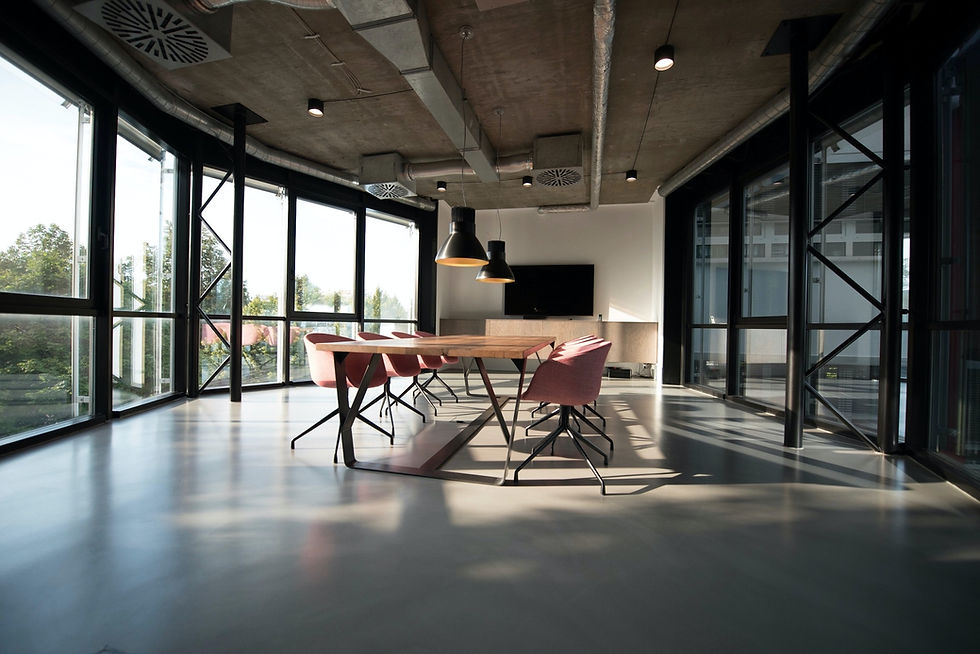
Several years back, I volunteered to lead a project to redesign the corporate office where our business unit’s leadership team was based. It surprised most people that I offered to lead, given that my background was in HR and various general manager roles. Admittedly, I am no expert in interior design, project management, or any of the other disciplines that have natural synergy with office renovations. But there was one exception, the crucial element of culture, that positioned me as the right person to lead: I understood the nuances of an office’s functionality, what collaboration truly meant in our business, and how I could elevate our culture by intentionally designing the environment to be a facilitator of who we were as a team and the work we delivered. As the head of HR, I understood that the impact of this project would ripple far beyond the physical surface of what I was undertaking.
That is exactly how cultures are built: through intentional choices, artifacts, design elements, and behaviors that shape the everyday experiences of the team. Every business has a culture. Most leaders understand that the informal culture is often more influential than the formal one. In fact, a misalignment between these two forces is usually at the core of organizational conflict, unmet expectations, and the erosion of trust in leadership.
So, What Exactly Is Culture?
McKinsey and Company, one of the most respected advisors to global organizations, defines it quite clearly:
"We define 'culture' as the behaviors, beliefs, and working norms that enable a company to deliver the value that it’s distinctively suited to deliver." (From McKinsey and Company, "Building A Culture—On Purpose")
Their definition includes everyday actions and shared values as part of the equation, helping leaders understand that culture is something to actively create, not simply observe or manage. An organization's culture directly impacts its bottom line, stretching far beyond standard people metrics into financial performance, productivity, consumer trust, and the future viability of the company.
Leadership sets the tone for all levels of culture. In organizations where team members feel a deep, personal connection to the idea of being a stakeholder, values around ownership and initiative trend significantly higher. Conversely, the behaviors that leaders tolerate directly impact engagement, accelerate turnover, and breed higher levels of interpersonal conflict.
The current landscape presents a clear, undeniable case for conscious leadership. A widespread decrease in public confidence in social structures can easily bleed into organizational trust if leadership is not strong. In an intentionally designed culture, shifts in leadership style must be structurally supported by the behaviors of the business. This means actively addressing the informal culture whenever we introduce change through people-centered initiatives.
Creating Safety Beyond the System
Take the example of a company that evolved its succession planning process. During development, the organization focused heavily on design, implementation, and systems. From a change leadership perspective, however, the missing link was ensuring that the pipeline talent felt safe and confident enough to engage in conversations where they could truly be heard. Because the legacy performance management system was transactional, it created an inherent conflict for team members.
A conscious shift reverses this dynamic. It is designed to develop a person’s internal capacity to explore who they are as a leader, leveraging insights from others to expand their perspective on what is possible. This moves organizations away from rigid measurement and toward true exploration and inquiry. This is more than a superficial shift in mindset; it offers an entirely new context, a way of being, that has a far-reaching impact on both the individual and the company.
However, this level of self-awareness and insight can only thrive in an environment intentionally created to support it. Because a person’s growth journey requires deep reflection, observation, and introspection, they must have the psychological safety to explore what is true for them. Having the right tools and facilitators is important, but they cannot replace a workplace environment built to let people live in the work and safely test their insights.
Shifting From Measurement To Exploration
Furthermore, for a conscious leadership framework to work, the "contributor," the leader or peer offering feedback, must also shift how they engage with their team and the tool. In a traditional performance management system, feedback is delivered as concrete evaluation, tied to a culturally held expectation of a measurable shift in performance. A conscious contributor operates from a fundamentally different mindset. They recognize that providing an insight is vastly different than enforcing a metric.
An insight simply offers a perspective on what might be happening from an outside viewpoint. The person is then free to create meaning based on who they are being, rather than being forced into the contributor’s model of who they "should" be. In this paradigm, contributors see themselves as partners offering experiences to catalyze insight, rather than judges declaring a measurement against an expectation.
This distinction is critical for evolving a culture. Without the space to explore and sit with their insights, people will naturally shut down and reject the opportunity for growth. For conscious leadership models to take root, the culture must align with a deeper level of psychological safety. When you deploy these frameworks into cultures that suppress truth, stifle self-exploration, and penalize vulnerability, people experience intense internal conflict and will ultimately mask their growth using old, acceptable paradigms.
Culture is always a facilitator. As an organization, you must have absolute clarity about why you are ready to elevate your leadership mindset. While improvements in performance, development, and effectiveness are natural outcomes of this work, what cannot be overstated is the impact of addressing hidden derailers within the current workplace construct. Growing levels of burnout, quiet quitting, and stagnation are already taking a toll on everything from employee engagement to company P&Ls. With these pervasive challenges already present, the need for change is obvious. Enhancing the culture with intentionality is simply the next logical step, especially if organizations want to maximize their investment in human capital through growth and succession.
What We Have the Opportunity to Shift
We have been operating in traditional models that haven’t worked nearly as well as we have told ourselves for a long time. The proof is visible in widespread burnout, attrition, low engagement, and severe succession planning gaps as generations near retirement. The solution, in part, lies in the culture you choose to build every single day.
Leaders have the opportunity to establish a different place to lead from, one where they actively protect and create space for real growth to occur. The long-held belief that professionals can successfully separate who they are as human beings from how they show up at work has been dispelled over and over again. Attempting to maintain that artificial divide is at the very center of corporate burnout and overwhelm.
When cultures are intentionally designed for human growth and inquiry, personal transformation becomes common, allowing both the organization and its people to truly flourish. While this transformation requires a shift in behavior, it is a change that is already warranted and fully aligned with the strategy to win in the future. Ultimately, it is about creating true cultural safety, a supportive space where team members feel deeply valued, are free to learn and grow from mistakes without fear, and have the freedom to bring their whole, best selves to work. In this environment, doing outstanding work becomes natural, because they experience a different relationship to the output.
Innovation becomes the norm as ideas are actively generated to anticipate where the customer is going. Unexpected turnover is reduced because people experience the support they need and promotions from within become more common. In essence, these are the cultures where everybody wins.
The big question is:
What impact could a more conscious shift in your culture make on your people, your customers, and your business?


Comments